6 Questions To Ask About Dental Care During Cancer Treatment
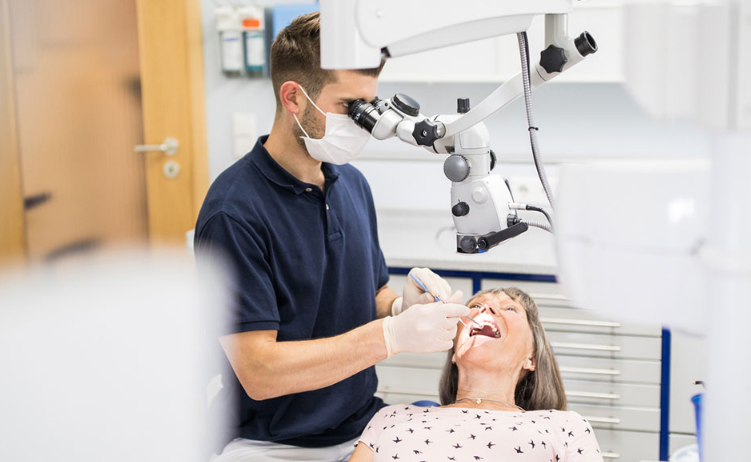
You may already be juggling appointments, test results, side effects, and the quiet fear that comes with not knowing how your body will respond. Dental care can feel like one more thing on a list that is already too long, and seeing a dentist in New Smyrna Beach may help you stay ahead of complications. Still, your mouth is not separate from the rest of your treatment. Pain, sores, dry mouth, infection, and trouble eating can show up fast, and they can make an already hard stretch feel even harder.
The right questions help you get ahead of problems instead of reacting to them later. When you understand how dental care during cancer treatment fits into your plan, you protect your comfort, lower your risk of infection, and make it easier to keep eating, speaking, and resting.
Cancer treatment can change your mouth faster than expected
Chemotherapy, radiation, stem cell transplant, and some targeted therapies can affect the tissues in your mouth, your saliva, and your body’s ability to heal. That is why your oncologist and your family dentist should not be working in separate lanes. The National Cancer Institute explains that oral complications may include mouth sores, infections, bleeding, pain, and dry mouth, all of which can interfere with treatment and recovery. You can review those risks on the National Cancer Institute oral complications page.
If you have ever thought, “My teeth can wait until this is over,” that reaction makes sense. The problem is that small dental issues do not always stay small once treatment begins. A cavity, a cracked tooth, or gum inflammation can turn into a source of pain or infection when your immune system is under strain.
The six questions that shape safer oral care during treatment
1. Should I have a dental exam before treatment starts?
Yes, if time allows. A pre treatment exam helps identify decay, gum disease, broken fillings, ill fitting dentures, and other issues that may worsen once cancer therapy begins. The National Institute of Dental and Craniofacial Research advises patients to get a dental checkup before treatment when possible. Their guidance on oral health and cancer treatments lays out why early planning matters.
2. What side effects in my mouth should I expect with my specific treatment?
Not every patient gets the same oral side effects. Radiation to the head and neck can raise the risk of dry mouth, tooth decay, and jaw problems. Chemotherapy may lead to mouth sores, taste changes, and bleeding. Ask what is likely in your case so you are not left wondering whether a symptom is normal, urgent, or dangerous.
3. Which dental procedures are safe during treatment, and which should wait?
This matters more than many people realize. Cleanings may still be appropriate. A tooth extraction may need special timing. If your white blood cell count or platelet count is low, even routine care can carry more risk. Your dentist may need bloodwork, clearance from your oncology team, or a delay until your counts recover.
4. How do I manage mouth sores, dry mouth, or pain at home?
You need a plan before symptoms hit. That plan may include a soft toothbrush, alcohol free rinses, frequent sips of water, saliva substitutes, fluoride products, and changes to what you eat. Spicy, acidic, rough, and very hot foods can make tender tissue feel raw. MD Anderson offers practical guidance on oral care during cancer treatment, including daily habits that reduce irritation.
5. When should I call right away?
You should not have to guess. Ask for a clear list. Fever, swelling, pus, sudden tooth pain, bleeding that does not stop, white patches, trouble swallowing, or sores that keep getting worse all deserve quick attention. During treatment, waiting a few days can change a manageable problem into an urgent one.
6. How can my oncologist and family dentist coordinate my care?
This is one of the most useful questions of all. Your dentist may need your diagnosis, treatment type, medication list, radiation field, and blood count information. Your oncology team may need updates on infection risk or planned dental procedures. Good communication lowers the chance of mixed messages and unsafe timing.
See also:
Daily oral care decisions carry different risks during cancer treatment
When your mouth hurts, it is tempting to stop brushing, skip flossing, or use strong mouthwash because it feels like it should “kill germs.” That can backfire. Gentle, consistent care usually protects you better than aggressive products or avoiding hygiene altogether. This is where oral care during cancer treatment becomes less about perfection and more about safe habits.
| Situation | Common instinct | Better approach | Why it helps |
|---|---|---|---|
| Mouth sores | Stop brushing painful areas | Use a soft brush and gentle technique | Reduces plaque without adding more irritation |
| Dry mouth | Drink sugary drinks for quick relief | Use water, ice chips, or saliva substitutes | Lowers cavity risk while easing dryness |
| Bad taste or burning | Use strong alcohol based mouthwash | Choose bland rinses recommended by your care team | Avoids stinging and tissue damage |
| Bleeding gums | Assume it is normal and ignore it | Report it, especially if platelets are low | Helps catch treatment related bleeding risk early |
| Tooth pain | Wait until treatment ends | Call your dentist and oncology team | Prevents infection from getting worse |
Three steps you can take right now
Get your care teams talking. Ask your oncologist for any treatment details your dentist needs. Ask your dentist to send findings and proposed treatment back to oncology. This one step can change timing, medication choices, and infection planning.
Build a simple home routine. Use a soft toothbrush, brush gently after meals and before bed, keep your mouth moist, and ask which rinse and fluoride products fit your case. If eating hurts, choose soft foods and avoid things that sting. This is where basic cancer treatment dental care makes daily life more manageable.
Write down your red flags. Keep a short list on your phone or fridge. Include fever, swelling, mouth sores that worsen, bleeding, white patches, and new tooth pain. When you feel worn down, having that list in front of you removes guesswork.
Good dental support can make treatment feel more manageable
You do not need to solve every part of this at once. You need clear answers, steady support, and a plan that respects what your body is going through. A family dentist who understands how cancer treatment affects the mouth can help you stay ahead of pain, protect your health, and make day to day life a little easier.
If you are preparing for treatment or already dealing with mouth changes, reach out to a family dentist and ask these six questions. The right conversation now can spare you a lot later.