Beef Liver for Dogs Explained: Why This Nutrient-Rich Superfood Must Be Fed in Moderation
Introduction
Beef liver is one of the most nutrient-dense foods you can include in a dog’s diet. It is often described as a natural superfood because it contains concentrated amounts of vitamins, minerals, and high-quality protein. Many dog owners use it as a treat, training reward, or part of a raw or home-cooked feeding plan.
Even though it offers strong nutritional benefits, beef liver must be fed carefully. The same richness that makes it healthy also makes it risky when overused. Too much liver can lead to nutrient imbalance, especially vitamin A toxicity.
This is why beef liver for dogs should always be treated as a supplement, not a daily meal.
What Is Beef Liver for Dogs?
Beef liver is an organ meat taken from cattle. In the animal body, the liver functions as a filter and storage organ, which is why it naturally holds a high concentration of nutrients.
Compared to regular muscle meat, liver contains significantly more vitamins and minerals per gram. It is especially rich in vitamin A, B vitamins, iron, copper, and zinc. These nutrients are essential for maintaining energy, immunity, and overall body function in dogs.
Because of this nutritional density, even a small piece of liver can have a strong effect on a dog’s diet.
See also: Healthcare Data Interoperability
Nutritional Value of Beef Liver
Beef liver is often used in canine nutrition because it acts almost like a natural multivitamin. It contains several essential nutrients that support different body systems.
The most important nutrients include vitamin A, which supports vision, skin health, and immune function. It also contains vitamin B12 and other B-complex vitamins, which help with energy production and nerve health. Iron plays a key role in oxygen transport through the blood, while copper and zinc support enzyme function and metabolism. High-quality protein helps in muscle repair and growth.
Because these nutrients are present in concentrated amounts, liver should always be fed in small portions.
Health Benefits of Beef Liver for Dogs
When introduced properly, beef liver can offer several health benefits for dogs. One of the most noticeable effects is improved energy levels. The combination of iron and vitamin B12 helps the body produce red blood cells, which improves oxygen flow and stamina. Active dogs and working breeds often benefit from this natural energy boost.
Another important benefit is immune system support. Nutrients like vitamin A, zinc, and copper help strengthen immune response, making dogs more resistant to infections and illnesses. Over time, this can support overall long-term health.
Beef liver also contributes to skin and coat quality. Many dog owners notice a shinier coat and healthier skin after adding small amounts of liver to their dog’s diet. This is mainly due to vitamin A’s role in skin cell repair and regeneration.
In addition, liver supports muscle development because it is rich in protein and amino acids. This is particularly useful for growing puppies, active dogs, and senior dogs that need muscle maintenance.
Finally, liver also supports brain and nervous system function. Vitamin B12 plays an important role in neurological health, helping maintain cognitive function and alertness.
Why Beef Liver Must Be Fed in Moderation
Despite its benefits, beef liver is extremely rich in certain nutrients, especially vitamin A. Unlike water-soluble vitamins, vitamin A is stored in the body’s fat and liver tissues. This means it can accumulate over time if fed in excess.
When dogs consume too much liver regularly, they may develop vitamin A toxicity. This condition can gradually affect bones, joints, and overall mobility. It is not usually caused by a single meal but by long-term overfeeding.
The main concern is that excess vitamin A interferes with normal bone development and can lead to stiffness, discomfort, and skeletal issues in severe cases. This is especially dangerous for puppies, whose bodies are still growing.
Because of this risk, liver should never be a daily food item.
Safe Feeding Amount for Dogs
The correct amount of beef liver depends on the dog’s size, age, and overall diet. However, a general rule in canine nutrition is that organ meats should only make up a small portion of the diet.
In most balanced feeding plans, liver should stay within five to ten percent of total food intake. This ensures that the dog gets the nutritional benefits without risking vitamin overload.
For small dogs, only a few small pieces once or twice a week are enough. Medium-sized dogs can tolerate slightly larger portions, but still only occasionally. Large dogs may be able to handle more, but the frequency should remain limited.
The key point is consistency in moderation rather than quantity.
Raw vs Cooked Beef Liver
Beef liver can be fed both raw and cooked, depending on the feeding style. Raw liver is often used in raw diets because it retains all its natural nutrients. However, it also carries a higher risk of bacterial contamination if not handled properly.
Cooked liver is safer for most households because it reduces the risk of harmful bacteria. The downside is that overcooking can reduce some nutrient content. Light cooking methods such as boiling or gentle pan-cooking are generally preferred.
Regardless of the method, liver should always be prepared without seasoning. Ingredients like salt, garlic, onion, or spices are harmful to dogs and should never be added.
How to Prepare Beef Liver for Dogs
Preparing beef liver for dogs is simple and does not require complicated cooking methods. One of the easiest ways is to boil it in plain water until fully cooked, then cut it into small pieces suitable for treats or meal toppers.
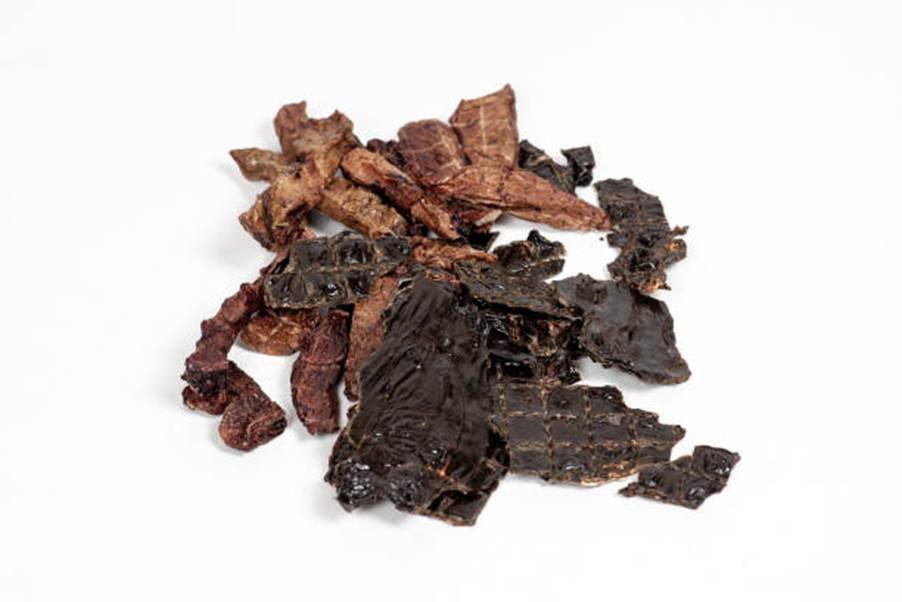
Another common method is light pan-cooking without oil or seasoning. Some pet owners also dehydrate liver slices to create long-lasting training treats. This method preserves flavor while making it convenient for storage.
Frozen liver cubes are another option, especially for raw feeders. These help with portion control and can be thawed as needed.
The most important rule during preparation is to avoid adding any seasoning or additives.
Signs of Overfeeding Beef Liver
Dogs that consume too much liver over time may show certain warning signs. These symptoms usually develop gradually rather than suddenly.
Common signs include digestive issues such as loose stools or diarrhea. Some dogs may lose interest in their regular food due to the richness of liver. Others may show signs of stiffness, discomfort, or reduced energy levels. In more serious cases, long-term overfeeding can lead to joint problems or metabolic imbalance.
If these symptoms appear, liver intake should be reduced immediately, and a balanced diet should be restored.
Beef Liver for Puppies, Adults, and Senior Dogs
Different life stages require different feeding approaches.
Puppies are the most sensitive group because their bones and joints are still developing. Too much vitamin A can interfere with normal growth, so liver should only be given in very small amounts and not frequently.
Adult dogs are generally the most stable group and can safely enjoy liver in moderation. It works well as a training treat or occasional supplement.
Senior dogs may benefit from liver’s nutrient density, especially for energy and immunity. However, their metabolism is slower, so portion control is still important.
Conclusion
Beef liver for dogs is one of the most nutrient-rich natural foods available. It supports energy, immunity, skin health, and muscle development. However, its strength is also its risk. Because it contains extremely high levels of vitamin A and other concentrated nutrients, it must always be fed in moderation.
The safest approach is simple: small portions, occasional feeding, and a balanced overall diet.
When used correctly, beef liver becomes a powerful nutritional tool that supports long-term canine health without causing harm.