5 Online Peptide Calculators That Actually Get the Math Right
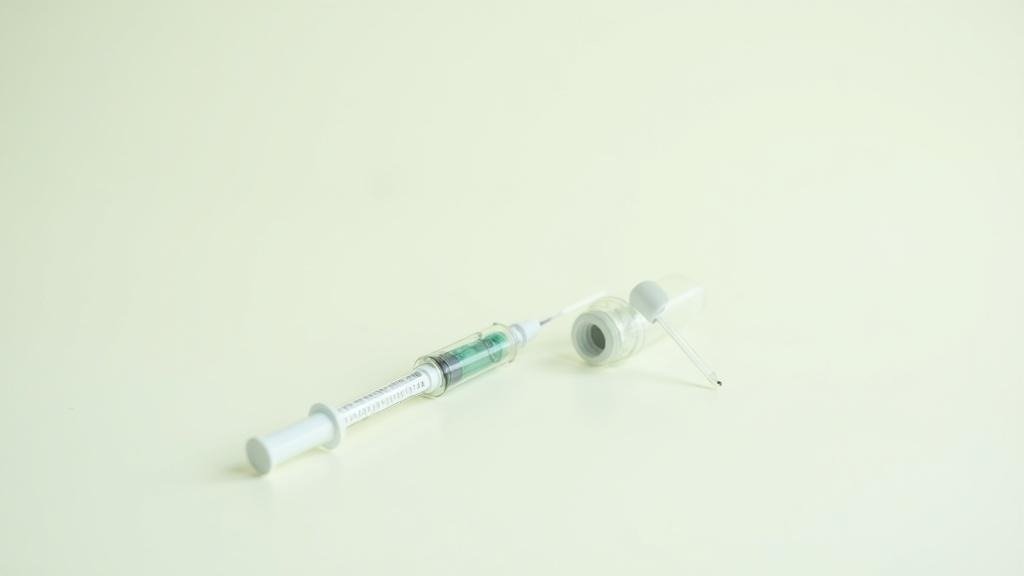
Most people searching for a peptide calculator are not confused about biology. They are confused about units. Specifically, they are about to draw a syringe and they are not sure whether “250 mcg” means 2.5 units or 25 units on their insulin syringe. That one decimal place, driven by the mg-to-mcg conversion, is where the real danger lives. The tools below all solve that problem, but they do it with very different levels of depth.
Comparison Table
| Tool | Syringe Types | Visual Aid | Preset Peptides | App Available | Sign-up Required |
| FormBlends Peptide Calculator | U-100, U-50, U-40 | Syringe fill bar | Yes (BPC-157, TB-500, etc.) | Yes (iOS/Android) | No |
| PeptideFox | U-100 implied | Visual guide | 30+ | No | No |
| PeptideDeck | U-100 | No | Enter manually | No | No |
| MyPeptideMatch | U-100 | No | BPC-157, semaglutide, tirzepatide, TB-500 | No | No |
| LeadWest Medical | Not specified | No | 7 named peptides | No | No |
The Ranked List
1. FormBlends Peptide Calculator
The confusing part is not that peptide math is advanced. It is that the vial, the protocol, and the syringe often speak three different measurement languages.
Enter the vial size in mg or mcg, the volume of bacteriostatic water you added, and your target dose. The calculator outputs concentration per mL, units to draw, and doses remaining. It handles the mg-to-mcg conversion automatically, which is the exact point where a 1000x dosing error happens in practice. One-tap presets cover BPC-157 at both 5 mg and 10 mg fills, TB-500, ipamorelin, tesamorelin, and GLP-1 class peptides at 50 mg. A visual syringe bar shows you physically where on the barrel to stop pulling.
It also supports U-50 and U-40 syringes, not just the standard U-100, which matters for anyone sourcing syringes internationally or using a different barrel format for concentration reasons. There is no login, no email, and no paywall.
The mobile app companion adds a 55-compound reference library, injection-site rotation tracking, and dose logging. The underlying calculator is identical to the web version. FormBlends is a real telehealth company running a 503A pharmacy, not an anonymous page that might disappear next month.
One honest note worth making here: this tool tells you how to measure a dose you have already been prescribed. The question of what amount is right for you is one only a prescribing provider can answer. That distinction is not just legal fine print.
2. PeptideFox
PeptideFox supports more than 30 individual peptides and is one of the few free calculators that pays attention to BAC water volume optimization, meaning it guides you toward a water volume that produces clean, easy-to-read unit draws rather than tiny fractional amounts. The visual guide is a genuine feature, not decorative. Good tool for anyone working across multiple compounds.
3. PeptideDeck
Clean and mechanical. Enter vial size in mg, bacteriostatic water volume in mL, and your target dose in mcg. PeptideDeck outputs concentration per mL, draw volume in mL, and the insulin-unit equivalent. No frills, no presets. If you already know your compound and just need the math confirmed, it is fast and honest about what it does.
4. MyPeptideMatch
This one stands out for covering GLP-1 class compounds. Semaglutide and tirzepatide dosing involves different volume conventions than healing peptides like BPC-157, and most calculators ignore that entirely. MyPeptideMatch handles both categories in the same free interface, which makes it genuinely useful for people managing more than one injectable at a time.
5. LeadWest Medical
Seven named peptides including retatrutide, ipamorelin, CJC-1295, and GHK-Cu. The LeadWest calculator is attached to a medical provider, which gives it a different context than anonymous web tools. If you are already a patient or considering their services, the calculator fits naturally into that workflow. Less flexible for general use outside their peptide list.
FAQ
What does a peptide calculator actually compute?
It converts your target dose (usually in mcg) into the number of units to draw on an insulin syringe, based on how concentrated your reconstituted solution is. The formula is straightforward: divide your target dose by the concentration, then multiply by 100 for U-100 units.
Why does adding more bacteriostatic water not change the dose?
The total peptide in the vial is fixed. More water spreads it thinner, so each unit you draw contains less peptide. You simply draw more units to hit the same dose. The calculator adjusts automatically when you change the water volume.
What is a U-100 insulin syringe?
A U-100 syringe holds 1 mL across 100 units, so each unit mark equals 0.01 mL. A U-50 syringe holds 0.5 mL across 50 units. Same math, different barrel size.
Are these tools safe for self-dosing without a prescription?
No calculator substitutes for a prescribing provider. These tools measure what you have been told to take. They do not evaluate whether a given dose is appropriate for you.
Why do healing peptides like BPC-157 and TB-500 get dosed in mcg instead of mg?
Active doses for these compounds are typically in the 250 to 500 mcg range per injection. That is a fraction of one milligram, so using mg notation would mean working with numbers like 0.25 or 0.5, which is where rounding errors happen. Mcg keeps the numbers whole and easier to handle accurately.
Sources
- U-100/U-50 syringe unit conventions: standard insulin syringe labeling, verified via pharmacy references
- PeptideFox feature set: peptidefox.com (public tool, accessed 2026)
- PeptideDeck interface: public web tool, direct observation
- MyPeptideMatch compound list: public tool documentation
- LeadWest Medical peptide list: LeadWest public calculator page
- FormBlends calculator and app features: FormBlends public web tool and app store listing
- BPC-157/TB-500 typical dosing ranges: published peptide therapy references, including peptides.org dosage documentation