The Importance Of Papilla Support Between An Implant And A Natural Tooth
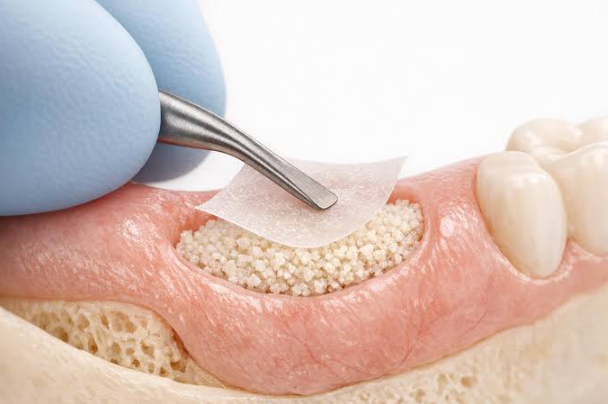
You notice the gap before anyone else does. Not the implant itself, but the tiny triangle of gum between the implant and the neighboring tooth. When that space looks flat or dark, the whole smile can feel off, even when the implant crown is well made and the bite feels fine. That frustration is real. People often expect an implant to replace a tooth and blend in, then find out that the soft tissue around it matters just as much as the crown. At the dental implant center at Walnut Creek, patients often learn how important that soft tissue shape is to the final result.
The importance of papilla support between an implant and a natural tooth comes down to appearance, hygiene, and comfort. The papilla is the small wedge of gum that fills the space between teeth. When it is present and stable, your smile looks natural and food is less likely to pack into that area. When it is missing, you may see a dark space, trap food, or hear more air when you speak. In implant and cosmetic dentist treatment, this detail often separates a result that looks acceptable from one that looks seamless.
Papilla support shapes how natural an implant looks and feels
The gum between a natural tooth and an implant does not behave the same way as gum between two natural teeth. A natural tooth has a periodontal ligament and a different blood supply. An implant does not. That difference affects how the tissue is supported and how likely it is to fill the space beside the implant crown.
This is where many people get blindsided. The implant may be placed correctly, the bone may integrate well, and the restoration may still show a black triangle if the tissue support is weak. You may have gone through surgery, healing time, and the cost of treatment, only to feel stuck on one small detail that changes the whole result.
Research supports what patients see in the mirror. Studies on the peri implant papilla show that the height of the tissue is influenced by the bone level next to the natural tooth, the distance from the contact point to the bone crest, and implant positioning. One review on interproximal papilla around implants explains that when these dimensions are favorable, papilla fill is more predictable. When they are not, the tissue often falls short of the contact area.
Papilla preservation around implants is not just a cosmetic issue. If the tissue does not fill the space, food can wedge there every day. That can irritate the gums, make cleaning harder, and leave you feeling like something is always caught between the teeth. Small problems become daily annoyances fast.
See also: How Accountants Build Trust Through Accuracy And Expertise
Bone, spacing, and implant position determine papilla support
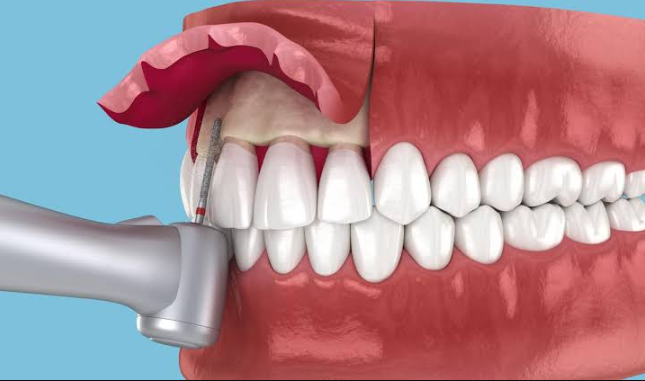
The papilla is supported by what sits underneath it. Bone is the foundation. If the bone beside the natural tooth is reduced from past infection, trauma, or long term tooth loss, the gum tissue has less support and may not rise high enough. If the implant is placed too close to the natural tooth, the body can lose some of the bone between them. If it is too far away, the crown shape may need to be stretched, which can also leave an open embrasure.
You can see why timing matters. If a failing tooth is removed and replaced without planning for the soft tissue, the site can collapse before the final crown is delivered. If the temporary restoration does not guide the tissue well, the gum may heal flat. If the contact point on the crown sits too far from the bone, the papilla may never fully fill in.
A clinical review on papilla management around teeth and implants describes how surgical design, restorative contours, and tissue handling all affect the final papilla. That means your result is not based on one decision. It is the sum of many small decisions made before, during, and after implant placement.
Practical considerations in implant papilla support
When you are comparing treatment plans, the details below matter more than most people realize.
| Factor | Favorable Condition | What Can Happen If It Is Unfavorable |
|---|---|---|
| Bone height next to the natural tooth | Strong interproximal bone supports the gum peak | Flat or missing papilla, visible dark triangle |
| Distance from contact point to bone | Shorter distance improves the chance of tissue fill | Open space under the contact even with a well made crown |
| Implant to tooth spacing | Proper spacing protects bone and allows natural contours | Bone loss, overcontoured crown, harder cleaning |
| Temporary crown shaping | Supports and guides soft tissue during healing | Tissue heals flat and is harder to correct later |
| Gum tissue thickness | Thicker tissue is often more stable and forgiving | Higher risk of recession and show through |
This is why two implants that both survive can look very different. Survival is one standard. Smile harmony is another. If you are replacing a front tooth or a tooth that shows when you smile, implant papilla support should be part of the conversation from the first visit, not an afterthought once the crown is ready.
Three steps help protect the papilla between an implant and a natural tooth
Ask for a tissue focused treatment plan. You want more than a plan for placing an implant. Ask how the bone level, implant position, contact point, and temporary crown will be used to support the papilla. If the answer stays vague, keep asking.
Address bone and gum limits before the final crown. If your site has thin tissue or bone loss, grafting or staged treatment may give you a better result. That can feel slower and more expensive up front, but it may prevent a result that bothers you every time you smile.
Protect the area during healing and after delivery. Follow cleaning instructions closely, keep maintenance visits, and report food trapping or gum changes early. A small contour adjustment or hygiene change can sometimes improve comfort before irritation turns into tissue loss.
A natural looking implant depends on papilla support
The small triangle of gum between an implant and a natural tooth has a big effect on how your smile looks, how the area feels, and how easy it is to keep clean. If you are planning treatment, or if you already have an implant and the space beside it does not look right, you are not being overly focused. You are noticing a real part of the result.
An implant and cosmetic dentist should evaluate the bone, soft tissue, spacing, and crown design together. That is how a replacement tooth starts to look like it belongs there. If you are considering implant treatment, ask for a plan that protects the papilla from the start.