Crown Lengthening: When Periodontists Reshape Gum And Bone For Restorations
You hear that you need a crown, but then your dentist says there is not enough tooth showing above the gumline. That lands hard. You may already be thinking about time off work, cost, healing, and whether this means something is seriously wrong. In many cases, the issue is structural, not dramatic. The tooth may be broken near the gum, worn down, or covered by gum and bone in a way that makes a restoration unstable. If your dentist recommends periodontal treatment in Norristown, PA, crown lengthening may be the step that creates enough visible tooth for a filling or crown to hold properly.
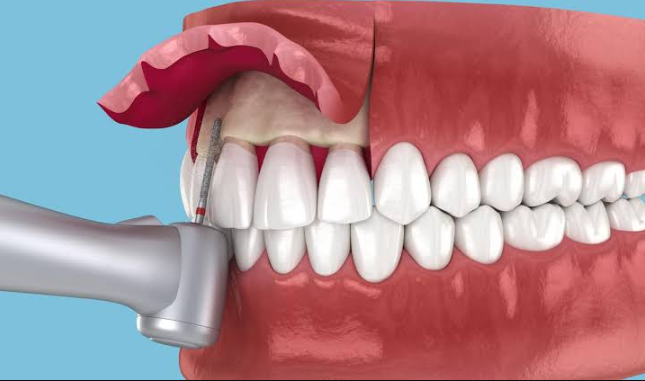
A periodontal crown lengthening procedure does exactly what the name suggests. A periodontist reshapes gum tissue and, when needed, a small amount of supporting bone so your dentist can place a restoration that fits, seals, and lasts. This is not just cosmetic trimming. It is often done to protect the tooth from repeated failure, deep decay, or a margin placed too close to the bone. Clinical reviews describe crown lengthening as a way to preserve biologic width, now often called the supracrestal tissue attachment, so the body can stay healthy around the final restoration. You can read a detailed review in this clinical overview of crown lengthening procedures.
Crown Lengthening for Restorations Solves a Space Problem
If a tooth breaks at or below the gumline, your dentist cannot simply glue a crown onto hope. The edge of the restoration needs sound tooth structure. If the crown margin sits too deep, the area stays irritated, plaque collects more easily, and the gums can remain inflamed. Over time, that can mean bleeding, discomfort, bad taste, bone loss, and a restoration that fails earlier than it should.
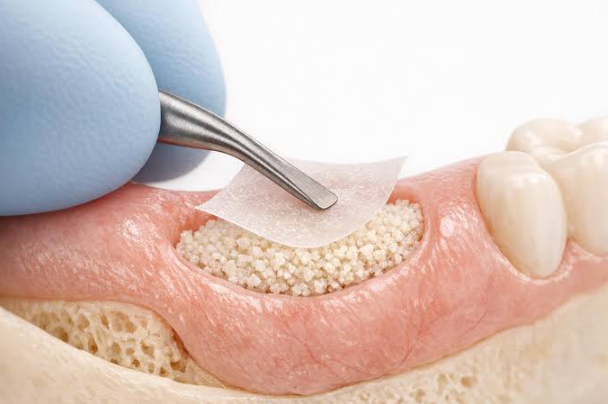
This is where a periodontist comes in. A periodontist is trained to manage the tissues that support your teeth, including gum and bone. During crown lengthening surgery, the doctor exposes more of the natural tooth by adjusting the gumline and, when necessary, the bone around the tooth. That extra access gives the restorative dentist room to place a proper margin without crowding the attachment that your body needs to keep the area healthy.
The need is common after deep decay, fractures, old fillings that extend too far under the gum, or teeth that look short because of excess gum display. Sometimes the tooth can be saved with this step. Sometimes the procedure also makes it clear that the tooth cannot be predictably restored, which is frustrating but useful. Knowing that before investing in a crown can spare you more cost and repeat treatment.
Bone and Gum Reshaping Affects Healing, Timing, and Long Term Success
The part many people do not expect is that this is often a planning procedure, not the final fix. You may leave the office with stitches, tenderness, and a temporary restoration while the tissue heals and stabilizes. Front teeth can take longer to settle because small changes in gum position are more visible. Back teeth may be less noticeable day to day, but they still need proper healing before the final crown goes in.
A predictable result depends on respecting the tissue dimensions around the tooth. The National Center for Biotechnology Information explains the biologic and surgical principles in this reference on crown lengthening. That is why your periodontist may take measurements, radiographs, and photos before recommending treatment. It is not overkill. It is how they avoid exposing too little tooth or removing more tissue than needed.
Training matters here. Periodontics is a recognized advanced specialty, with standards outlined through dental education accreditation, including surgical diagnosis and management of supporting tissues. You can see that scope reflected in the periodontics accreditation standards and citations. If your case involves deep margins, esthetic concerns, or several teeth, specialist care can change the outcome.
See also: The Role Of Essential Nutrients In Supporting Tooth And Gum Health
Professional Crown Lengthening Compared With Delaying Treatment
Some people try to postpone the procedure and ask for the crown anyway. That can feel cheaper in the short run. It often becomes more expensive when the crown traps irritation, the gum stays inflamed, or the tooth fractures again. The goal is not to add a surgery where one is not needed. The goal is to build the restoration on a tooth that has a fair chance of lasting.
| Approach | Short Term Effect | Long Term Concern | Likely Benefit |
|---|---|---|---|
| Proceed with crown lengthening before restoration | Extra appointment, healing time, soreness | Requires careful planning and temporary phase | Better access to sound tooth structure and healthier crown margin placement |
| Place restoration without enough exposed tooth | Faster path to a crown | Inflamed gums, difficult cleaning, weak retention, earlier failure | Little to no durable advantage if margin violates tissue attachment |
| Delay treatment entirely | No immediate procedure | Decay can spread, fracture can worsen, tooth may become unrestorable | None if the tooth continues to break down |
This is why gum and bone reshaping for a crown is often framed as a restorative foundation, not an optional extra. The periodontist is making room for a restoration that your body can tolerate and your dentist can actually secure.
Three Steps Help You Prepare for a Better Restorative Outcome
Ask where the fracture or decay ends. If the damage extends under the gum or near the bone, ask your dentist or periodontist to show you on an X ray or photo. Seeing the problem makes the recommendation easier to understand.
Get clear on the sequence. Ask what happens first, how long healing takes, when the final impression is planned, and whether you will wear a temporary. Good timing reduces surprises and protects the final result.
Discuss whether the tooth is truly restorable. In some cases, crown lengthening gives the tooth a real future. In others, the remaining structure is too limited. You want that honesty before paying for a buildup, post, or crown that has poor odds.
A Periodontist Helps Create the Conditions for a Restoration to Last
If you have been told you need crown lengthening, the recommendation usually comes from a practical problem, not a cosmetic add on. There is not enough healthy tooth available for a restoration to sit where it should. A periodontist addresses that by reshaping gum and bone so the final crown or filling has a stable, cleanable, biologically sound home. That can mean an extra step now, but it often prevents repeated repairs later.
If your dentist has raised the issue, schedule a consultation with a periodontist and ask for a treatment plan that explains the surgical steps, healing timeline, and restorative sequence.