How Pediatric Dentists Help Families Manage Lip And Cheek Biting Habits
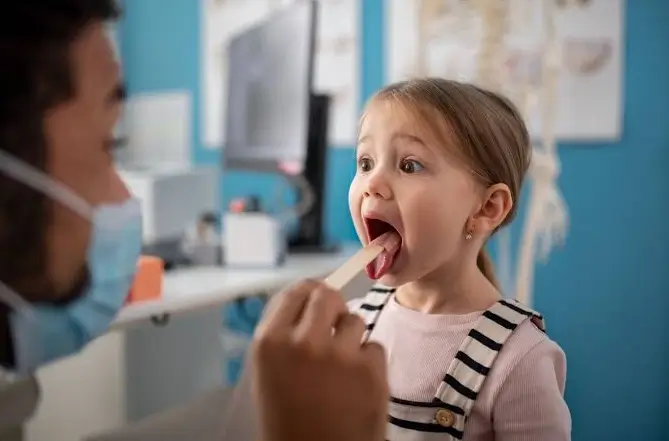
You notice the sore spot first. A white patch inside your child’s cheek, a swollen lip, a complaint that eating stings, then the habit shows itself. They bite while concentrating, while anxious, after dental numbness, or sometimes for no clear reason at all. It can look small from the outside, but when it keeps happening, it becomes one more thing you are trying to monitor, soothe, and prevent. A pediatric dentist in Oxnard, CA can help you understand why it happens and what to do next.
Lip and cheek biting habits can be harmless and short lived, or they can turn into a cycle of injury, healing, and re-injury. That is where a pediatric dentist helps. A child focused dental exam can sort out whether the problem is stress, a bite issue, a healing wound that keeps getting caught, or a condition that needs closer attention. For many families, the goal is simple. Reduce pain, protect the tissue, and stop the habit before it becomes harder to break.
Pediatric dentists identify why lip and cheek biting keeps happening
Children bite the inside of the cheeks and lips for different reasons, and the reason matters because the fix is not always the same. Some children do it by accident after local anesthesia because the lip still feels strange and swollen. Some do it during sleep or while focused on screens or homework. Others start after a rough tooth edge, crowded teeth, or a bite that traps the cheek between the teeth.
You may be wondering if it is just a habit your child will outgrow. Sometimes, yes. Sometimes the injured area swells, then gets bitten again because it sticks out more, and that is when the pattern starts to feed itself. A pediatric dentist looks at the shape of the bite, the condition of the tissue, signs of grinding or clenching, and whether stress or sensory needs may be part of the picture. This is one reason children’s dentists for cheek biting habits can be so helpful. They do not only treat the sore spot. They look for the trigger.
After a dental procedure, soft tissue injury is common enough that parents should watch closely until numbness wears off. The American Academy of Pediatrics offers practical guidance on mouth injuries in children, including when swelling, bleeding, or pain needs medical attention.
Ongoing cheek and lip trauma can affect comfort, sleep, and eating
A child who keeps biting the same spot may avoid crunchy or acidic foods because they hurt. Brushing can sting. Sleep can get disrupted if they rub at the area or clench at night. You may also start hearing, “It’s still there,” even after it seemed to heal. That frustration is real, especially when you have already tried reminders, softer foods, or over the counter comfort measures.
Repeated biting can also mimic other mouth problems. A raised area from chronic irritation may look alarming to a parent, even when it is a reactive lesion caused by trauma. Research on oral mucosal lesions in children shows that traumatic injuries and irritation can play a clear role in changes inside the mouth. You can read more in this review of oral mucosal lesions in children.
There is also the emotional side. If the habit is tied to anxiety, boredom, or sensory regulation, constant correction can make a child feel watched without actually helping them stop. A good pediatric dentist works with families in a calmer way. The visit can shift the focus from blame to pattern recognition and support.
Pediatric dental care for lip biting habits often combines protection and behavior support
Treatment depends on what the dentist finds. If a sharp tooth edge or restoration is catching the lip or cheek, smoothing that surface may help right away. If the problem started after numbness, the main need may be short term wound care and prevention the next time. If the bite pattern is the issue, the dentist may discuss orthodontic factors, habit appliances in select cases, or a nightguard when appropriate for older children. If stress seems connected, the conversation may include routines, sensory substitutes, and referrals when needed.
Guidance from pediatric dental literature also shows that soft tissue injuries after local anesthesia are a known issue in children, especially younger ones who chew or suck on numb lips and cheeks. This AAPD article on lip and cheek injuries after dental anesthesia explains why prevention and parent instruction matter so much.
| Approach | What it may help | Limits |
|---|---|---|
| Home reminders and soft foods | Mild, short term soreness and accidental biting | Does not fix bite issues, sharp edges, or repeated self soothing habits |
| Cold compress and basic wound care | Swelling and comfort after a fresh bite injury | Relief is temporary if the child keeps re-biting the area |
| Pediatric dental exam | Identifies trauma source, bite problems, tooth irritation, and healing concerns | May need follow up or referral if stress, sleep, or orthodontic issues are involved |
| Protective appliance or bite adjustment | Repeated trauma in select cases | Not every child is a candidate, and habits still need behavior support |
Small changes at home can support what the pediatric dentist recommends
Track the pattern. Write down when the biting happens. During homework, car rides, bedtime, after a dental visit, or when your child is upset. Patterns give the pediatric dentist useful clues, and they also help you see whether the habit is fading or getting more frequent.
Protect the area while it heals. Offer softer foods for a few days, avoid salty or acidic foods if they sting, and use the care instructions your dental team gives you. If your child just had treatment with local anesthesia, watch closely until feeling returns. Young children may need extra supervision because they do not understand that the numb tissue is being damaged.
Book a pediatric dentist visit when it keeps recurring. If the same spot is getting bitten again, if there is swelling, bleeding, trouble eating, or a sore that is not improving, a pediatric dentist should take a look. The same applies if you suspect grinding, clenching, or a tooth that feels rough against the cheek.
Families do better when the habit is addressed early
Most lip and cheek biting habits can be improved once the cause is clear. Some children need time and gentle reminders. Some need a dental fix. Some need both. The hard part is that repeated mouth injuries often look minor until they start affecting meals, sleep, and your child’s mood.
Cheek and lip biting treatment for kids works best when families do not have to guess alone. If your child keeps biting the inside of the cheek or lip, schedule a visit with a pediatric dental provider and get a plan that fits what is really going on. Early help can spare your child a lot of pain and spare you the cycle of watching, waiting, and hoping it stops on its own.