How Eye Doctors Ensure Comfortable Contact Lens Wear
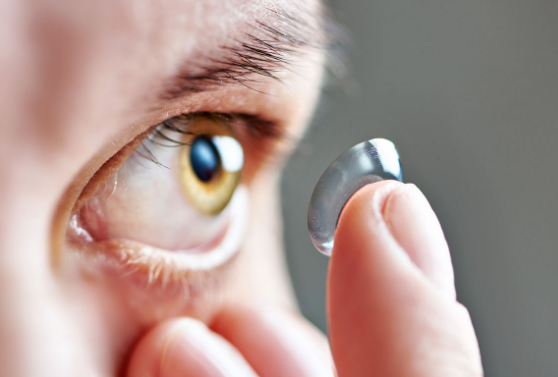
You put in your contacts hoping to forget they are even there, then a few hours later your eyes feel dry, gritty, or plain tired. That is a frustrating place to be, especially when contact lenses are supposed to make daily life easier, not turn into one more thing you have to manage. If you have ever wondered why someone else seems to wear lenses all day without a problem while your eyes start protesting by lunch, the difference often comes down to fit, tear quality, lens material, and habits that are easy to miss. That is why personalized eye care in Austin can make such a meaningful difference in helping you find lenses that stay comfortable longer.
An eye doctor looks at more than your prescription. They check how the lens sits on your eye, how your eyelids move over it, how much oxygen reaches the cornea, and whether your eyes stay moist enough to support all day wear. That is how How Eye Doctors Ensure Comfortable Contact Lens Wear becomes less about luck and more about careful planning, follow-up, and small changes that protect your eyes.
Comfortable contact lens wear starts with the right fit
A contact lens can have the correct prescription and still feel wrong. That catches a lot of people off guard. You may see clearly but still blink more, rub your eyes, or feel the edge of the lens every time you look to the side. An eye doctor measures the curve and surface of your eye, then matches that shape to a lens design that moves enough to stay healthy but not so much that it becomes irritating.
This is where a proper contact lens exam matters. One lens material may hold moisture better. Another may allow more oxygen through. Someone with allergies may need a different replacement schedule than someone who works in an office with dry air all day. Someone staring at screens for ten hours often blinks less, which leaves lenses drying out faster. The problem is not always the lens itself. Sometimes it is the environment your eyes are trying to function in.
Comfortable contact lens fitting also depends on the tear film, which is the thin layer of moisture covering your eye. If that layer is unstable, the lens dries unevenly and starts to feel scratchy. You might think your eyes just “do not do well with contacts,” when the real issue is dryness that can be treated.
Eye doctors look for the reasons contacts stop feeling good
Discomfort usually has a cause, and eye doctors are trained to sort through the common ones quickly. Dry eye is high on the list. So is buildup on the lens surface from protein, oil, makeup, or hand lotion. A lens that is worn too long, cleaned poorly, or slept in against instructions can create redness and irritation that creeps up slowly.
That slow buildup is what trips people up. It starts with mild dryness at the end of the day. Then you need rewetting drops more often. Then one eye feels worse than the other. Many people push through it, assuming that minor discomfort is normal. It is not. According to the CDC, healthy wear depends on habits like washing and drying hands before handling lenses, replacing lenses and cases on schedule, and avoiding water exposure. Their guidance on contact lens prevention and safe wear lays out the daily steps that lower the risk of infection.
Infection is the part no one wants to think about, but it matters. Redness, pain, light sensitivity, discharge, or blurred vision can signal a serious problem. The National Eye Institute also outlines how contact lenses affect healthy vision and why routine eye care is part of wearing them safely. Comfort and safety are tied together. A lens that is not working well often gives warning signs before a larger issue develops.
Professional contact lens care reduces trial and error
Trying random solutions on your own can get expensive fast. You switch brands, buy drops that sting, order lenses online because they are cheaper, then keep wearing a pair that never really feels right because you do not want to waste money. That cycle is common, and it usually ends with more frustration than savings.
An eye doctor narrows the problem instead of guessing. If the issue is dryness, they may change the lens material or recommend treatment for the ocular surface. If the lens rotates too much, they may adjust the design. If seasonal allergies are making the lens feel sticky, they may change the replacement schedule or suggest daily disposables. This is what good contact lens care looks like in real life. It is specific to your eyes, your schedule, and your symptoms.
| Issue | Trying to fix it on your own | Working with an eye doctor |
|---|---|---|
| End of day dryness | Buying random drops, wearing lenses fewer hours | Checking tear film, lens material, screen habits, and fit |
| Blurred or shifting vision | Assuming the prescription changed | Evaluating lens movement, rotation, deposits, and eye shape |
| Redness and irritation | Using lenses less often but not changing the cause | Looking for allergy, dryness, overwear, or early infection |
| Rising long term cost | Repeated trial purchases that may not help | Targeted recommendations that reduce waste and failed trials |
Small daily choices protect contact lens comfort
Even the best lens fit can break down with poor habits. Sleeping in lenses not approved for overnight wear, topping off old solution, showering or swimming in contacts, and stretching replacement schedules all raise the risk of discomfort and infection. You may get away with it for a while, which is why these habits stick. Then one day your eyes stop tolerating what they used to.
Comfortable wear usually comes from steady routines, not shortcuts. Clean hands, fresh solution, a clean case, and replacing lenses when you are supposed to sounds basic because it is basic. It also works.
Three steps you can take right away
Track when the discomfort starts. Notice whether symptoms show up the moment you insert the lens, after screen time, only at the end of the day, or only in one eye. That pattern helps pinpoint whether the cause is fit, dryness, deposits, or environment.
Stop pushing through redness and pain. Remove the lenses if your eyes burn, stay red, or become sensitive to light. Do not keep wearing them to “see if it settles down.” If symptoms continue, schedule an exam promptly.
Review your lens routine honestly. Replace old cases, use fresh solution, keep lenses away from water, and follow the replacement schedule exactly. If you are doing all of that and still feel uncomfortable, an eye doctor should reassess the lens type and your eye surface.
See also: How CPAs Guide Businesses Through Economic Uncertainty
Better contact lens comfort is usually possible
If your contacts have started feeling like a daily fight, you are not being picky and you are not failing at wearing them. Your eyes are telling you something useful. In many cases, a better fit, a different material, treatment for dryness, or safer wear habits can make a clear difference. An eye doctor can help you get to that point so your lenses feel less like a compromise and more like the simple tool they are supposed to be.
Schedule an eye exam if contact lenses are uncomfortable, your vision shifts during the day, or your eyes stay red after wear. Getting the right answer early is easier on your eyes and often easier on your budget too.