Why Early Screenings Dental Detect Problems Before They Become Serious
You brush, you try to keep up with appointments, and life still gets busy. A small toothache gets pushed to next week. A child says a tooth feels “funny,” but then seems fine by dinner. That is how many dental problems grow. They start quietly, without much pain, and by the time they demand attention, the fix is often bigger, more expensive, and harder on your family. For families considering long-term solutions, implant dentistry in Steamboat Springs can also become part of that conversation.
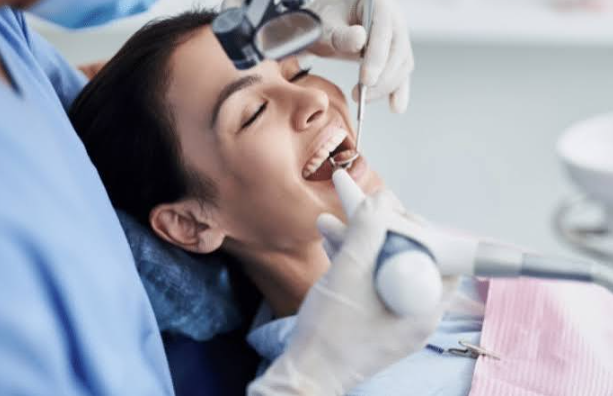
Why Early Screenings Dental Detect Problems Before They Become Serious comes down to one simple truth. Dentists can spot changes long before you can feel them. A routine exam can catch decay, gum irritation, bite issues, and signs of infection early, when treatment is usually faster and less invasive. A preventive dental screening is not just a box to check. It is one of the easiest ways to protect your health, time, and budget.
Early dental screenings catch silent problems before pain starts
Most oral health problems do not announce themselves right away. Cavities often begin as weak spots in enamel. Gum disease may start with mild redness or bleeding that feels easy to ignore. In children, early tooth decay can move fast, especially when baby teeth have deep grooves or sugary drinks are part of the routine. The American Academy of Pediatric Dentistry explains that early childhood cavities can affect eating, sleep, growth, and learning, which is why early prevention strategies for childhood tooth decay matter so much.
You may not notice a problem because there is nothing obvious to notice. That is the point. A trained family dentist looks for changes in the teeth, gums, jaw, and soft tissues that are easy to miss at home. According to MedlinePlus information on dental exams, a dental exam can identify cavities, gum disease, and other issues before they worsen. Early findings often mean a small filling instead of a crown, or a cleaning and home care plan instead of deeper gum treatment.
That shift matters in daily life. A child who avoids chewing on one side may not say anything clearly. An adult who wakes up with jaw tension may blame stress and never connect it to grinding. A screening brings those patterns into focus. It gives you answers before discomfort turns into disruption.
See also: How Eye Doctors Ensure Comfortable Contact Lens Wear
Delaying routine screenings often raises the physical and financial cost
When people put off care, it is rarely because they do not care. Cost, work schedules, child care, and dental anxiety are real barriers. The problem is that delay tends to make each one worse. A minor cavity can deepen into the nerve. Plaque can harden into tartar that brushing cannot remove. Gum inflammation can progress until teeth feel loose or sensitive.
The Centers for Disease Control and Prevention notes that oral health is closely tied to overall health, and untreated oral disease can lead to pain, infection, and problems with eating and speaking. Their overview of oral health and overall well-being shows why regular care is not cosmetic upkeep. It is basic health maintenance.
There is also the money side. Many families skip a visit to avoid a bill, then end up facing a larger one later. A cleaning and exam are predictable. Root canals, extractions, emergency visits, and missed work are not. Early screening dentistry helps reduce those surprises by finding issues at a stage when treatment is simpler.
This is true for every age group. Children benefit because their teeth and jaws are still developing. Adults benefit because wear, gum recession, and old dental work need monitoring. Older adults benefit because dry mouth, medications, and changing health conditions can raise the risk of decay and infection. A regular dental screening supports all of it.
Routine exams and delayed care lead to very different outcomes
| Situation | Found Early During Screening | Found After Symptoms Become Serious |
|---|---|---|
| Small cavity | May need a simple filling | May need a crown, root canal, or extraction |
| Gum inflammation | Often improves with cleaning and better home care | May progress to gum disease with bone loss |
| Teeth grinding | Can be managed before major wear or cracks develop | May lead to broken teeth, pain, and costly repairs |
| Childhood tooth decay | Can be treated early with less stress for the child | May cause pain, sleep problems, eating trouble, and infection |
That difference is why regular checkups matter so much. You are not only looking for what hurts today. You are looking for what could become a problem three months from now.
Small steps make early screening dentistry easier to keep up with
1. Put the next exam on the calendar before you leave.
If you wait until life calms down, it usually does not happen. Book the next visit while the last one is still fresh. That removes one more task from your mental list and makes preventive care part of your routine instead of a future intention.
2. Pay attention to small changes at home.
Bleeding gums, new sensitivity, bad breath that does not go away, jaw soreness, white or dark spots on teeth, and a child avoiding certain foods all deserve attention. These signs do not always mean a major problem, but they do mean it is time to schedule a check. Early dental checkups work best when you treat small changes as useful information, not something to push aside.
3. Choose a family dentist who focuses on prevention.
A good preventive approach is not rushed. It includes routine exams, cleanings, clear explanations, and guidance that fits your age, habits, and risk factors. That kind of care helps you understand what is happening in your mouth and what to do next, which lowers stress and makes follow through easier.
Early screenings protect more than your teeth
You do not need to wait for pain to justify care. That is the trap many people fall into, and it often costs them more in the end. Screenings give you a chance to catch problems while they are still manageable, protect your family from avoidable discomfort, and keep treatment from turning into an emergency.
If it has been a while since your last exam, now is a good time to schedule a visit with a family dentist and get ahead of problems before they become serious.